Art Walk, Open Studio, or Gallery Night? Comparing Local Arts Event Formats
Ask ten organizers what a successful arts evening looks like and you will get ten answers. One wants foot traffic moving past a row of storefronts. Another wants six people in a ceramics studio asking how the glaze gets that color. A third wants a hundred people in one room at once, glasses in hand, deciding what to look at next.
Those are three different events. Art walk, open studio, gallery night. The names get used interchangeably in grant applications and social posts, but each asks something different of the artists, the venues, and the volunteers who hold it together. Choosing the wrong format for your goal is the most common way a good idea leaves everyone tired and no closer to what they wanted.
Start With the Goal, Not the Format
Before you pick a date, finish this sentence: Six months from now, this event will have succeeded if…
Answers vary more than people expect. Sell work. Bring neighbors into a building they have never entered. Give twelve artists a reason to meet each other. Convince the town there is an arts scene worth funding. Reach families who do not think of galleries as places for them. Each goal points toward a different structure, and a few point away from hosting an event at all.
Two constraints do most of the deciding: how many hosts you can rely on, and how much coordination you can realistically supervise. An art walk needs a dozen willing doors. An open studio needs three or four brave ones. A gallery night needs one good room and someone with a steady eye for hanging work.
Art Walk: The Street-Level Format
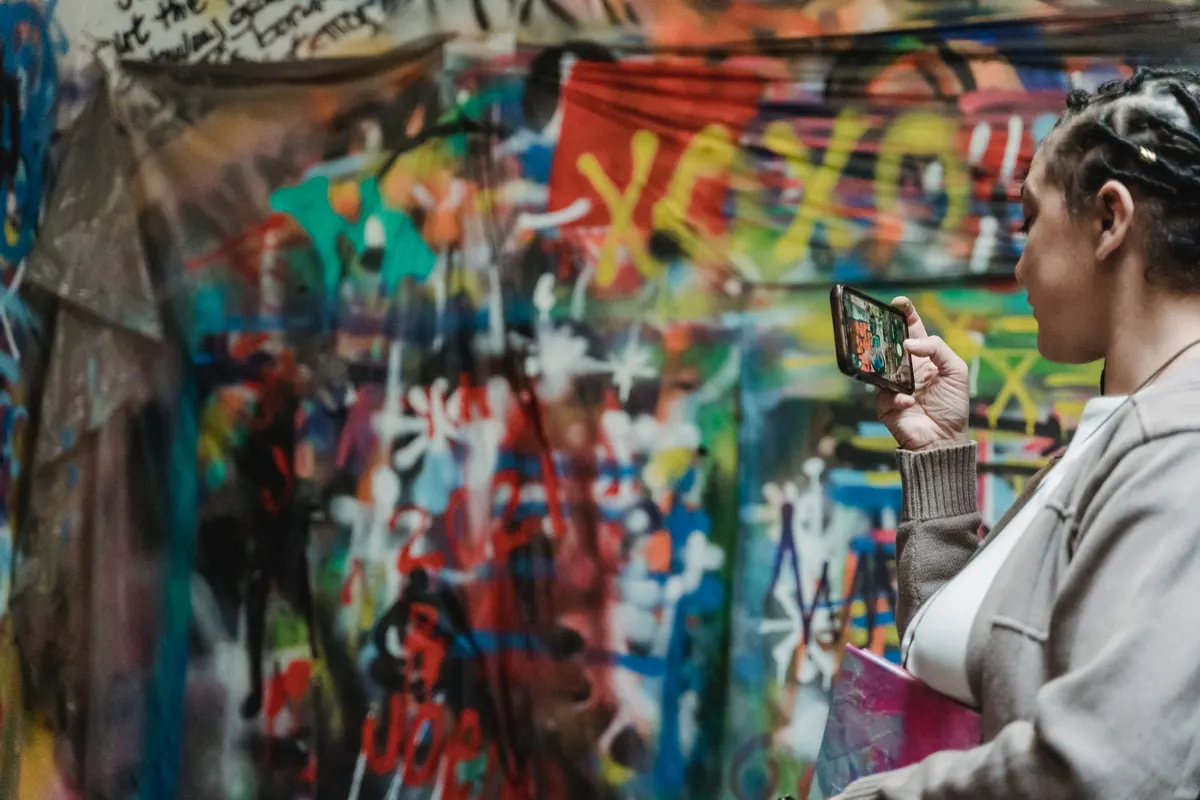
An art walk spreads attention across a neighborhood. Shops, studios, libraries, and temporary spaces stay open for a shared block of hours, usually three or four on a weekday evening, and visitors move between them with a map in hand.
The strength is access. Nobody needs to know an artist or feel at home in a gallery to walk through the door. The barrier is close to zero, which makes this the best format for reaching people who are already out for other reasons: dinner, errands, a stroll before the light goes.
The cost is depth and logistics. Coordination is real work. You are recruiting hosts, printing maps, placing signage, staffing an information table, and convincing businesses that staying open late is worth it. Engagement at each stop tends to be brief. Someone looks at four paintings, says something kind, and moves on.
Practical moves: keep the route to a walkable loop and resist adding stops until the core holds. Give hosts a simple checklist, a stack of maps, and one clear instruction about hours. Stagger a few demonstrations or short talks so there is a reason to linger somewhere specific. Print the map and also post it as plain text on a single web page, because phone signal on a crowded street is never as reliable as you hope.
Open Studio: The Behind-the-Scenes Format
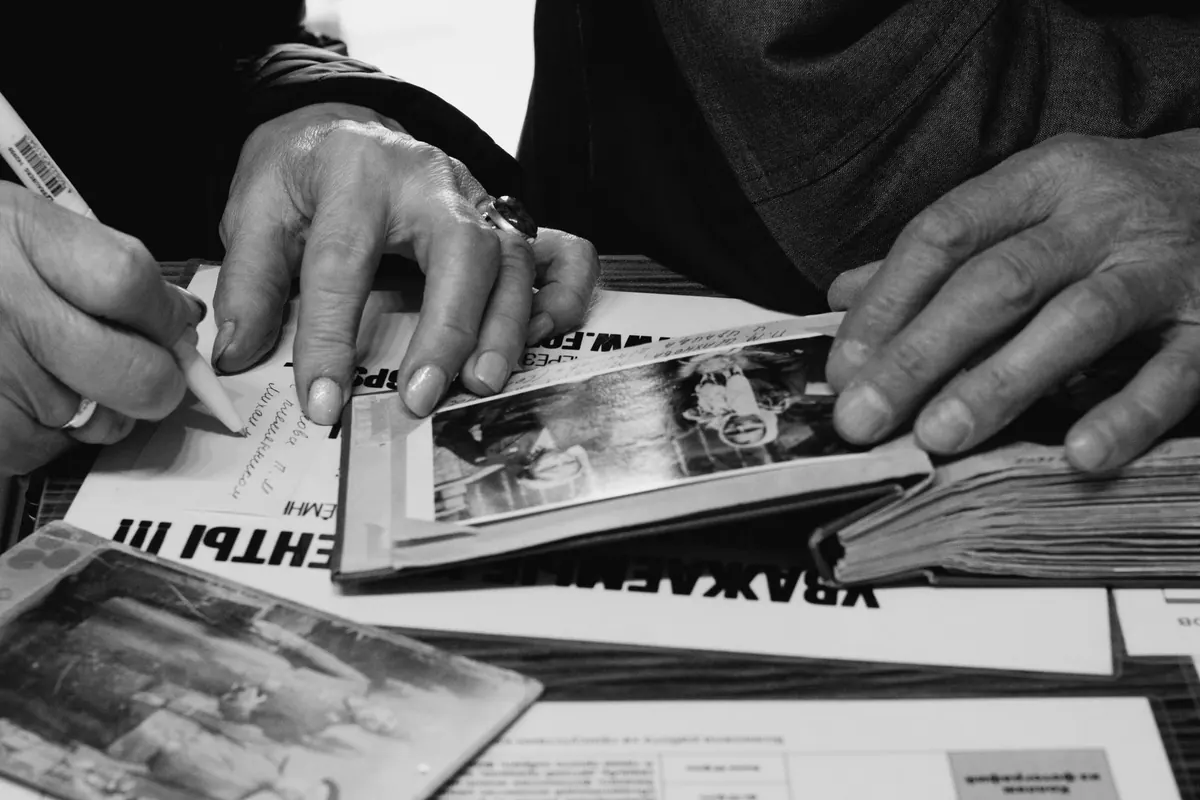
Open studios invite people into the place where work is actually made. That intimacy is the whole point. Visitors see the messy shelf, the half-finished piece, the tools, and they leave understanding the labor in a way no finished exhibition conveys.
This format produces the deepest relationships and often the strongest sales, because a buyer who has watched you work is buying more than an object. Numbers stay small. That is fine if your goal is connection rather than attendance.
Coordination is light, but personal preparation is heavy. You will spend a weekend clearing space, thinking about where people will stand, setting prices clearly, and deciding what is safe to touch. If you are opening a private workspace to the public, check your lease terms and talk to your insurer about visitors on the premises before you commit to dates. A short conversation up front saves a long one later.
Tips that hold up: cluster three to five studios within walking distance and share one map, so visitors make an afternoon of it. Have one thing you can demonstrate or explain in two minutes. Choose hours that do not fight your day job. Keep a guest book and actually use it. Make it easy for someone to look, say thank you, and leave without feeling they must buy something.
Gallery Night: The Concentrated Format
A gallery night puts the work in one controlled space with fixed hours and a program: an opening, an artist talk, a performance, a reception. Attention is concentrated rather than distributed, and the room does much of the work of making the art look considered.
Planning effort lands in fewer hands, which is both the appeal and the risk. Hanging, lighting, labels, hospitality, and a short program all fall on a small group. Done well, this format carries the most prestige, draws press and committed buyers, and gives artists a peer audience that matters to them.
Done carelessly, it becomes a private party. The question of who is included, on the walls and in the room, shapes how the wider community reads your organization for years. If your goal is broad neighborhood reach, a gallery night alone will not get you there. Pair it with something open.
Comparing Effort, Audience, and Impact
- Planning effort. The art walk is the most administratively heavy: permits, maps, host recruitment, volunteers, and a weather plan. A gallery night is medium, concentrated in a few organizers. An open studio is light on paperwork but heavy on the artist's own preparation.
- Audience. Walks reach the widest and least art-engaged crowd. Open studios reach the curious, the neighbors, and the collectors. Gallery nights reach people already inclined to look at art, plus friends and family.
- Depth of engagement. Open studios win. A twenty-minute conversation in a workspace stays with someone longer than a two-minute stop on a crowded street.
- Sales pattern. Walks create small, spontaneous purchases. Gallery nights convert committed buyers. Open studios build repeat customers over months and years.
- Community impact. Walks benefit nearby businesses and make an arts district visible. Open studios build trust between artists and neighbors. Gallery nights build reputation, and reputation is what funders and local press respond to.
Choosing Well: A Short Checklist
Pick one format for your first year. Running all three at once is how small teams burn out before the second year.
- Write your goal in one sentence and keep it where you will see it while planning.
- Count your confirmed hosts before you announce anything. Announcements outrun commitments every time.
- Match the format to the goal, not to what a neighboring town did last spring.
- Set a budget you can cover with the money you already have, and decide in advance what you will cut if it disappears.
- Recruit a co-organizer and give them real authority over one part of the event.
- Debrief within two weeks while details are still fresh: what worked, who came, what you would change.
Whatever you choose, plan the quiet hour as carefully as the busy one. The moment when nothing seems to be happening is when volunteers need a chair, a snack, and someone to tell them the night is going fine. That small kindness is what makes a first-year event into an annual one.
Photo: Sammy-Sander / Pixabay